

In our modern business spaces, where productivity is key and creativity is encouraged, commercial interior design plays an invisible but crucial role in supporting employees’ well-being. There are many more ways that interior design influences people’s physical and mental health in these spaces than just aesthetics.
As a committed interior design firm that crafts lively and inspiring spaces, we investigate the significant effects of deliberate design on employees’ well-being in the workplace.
1) Productivity and Focus
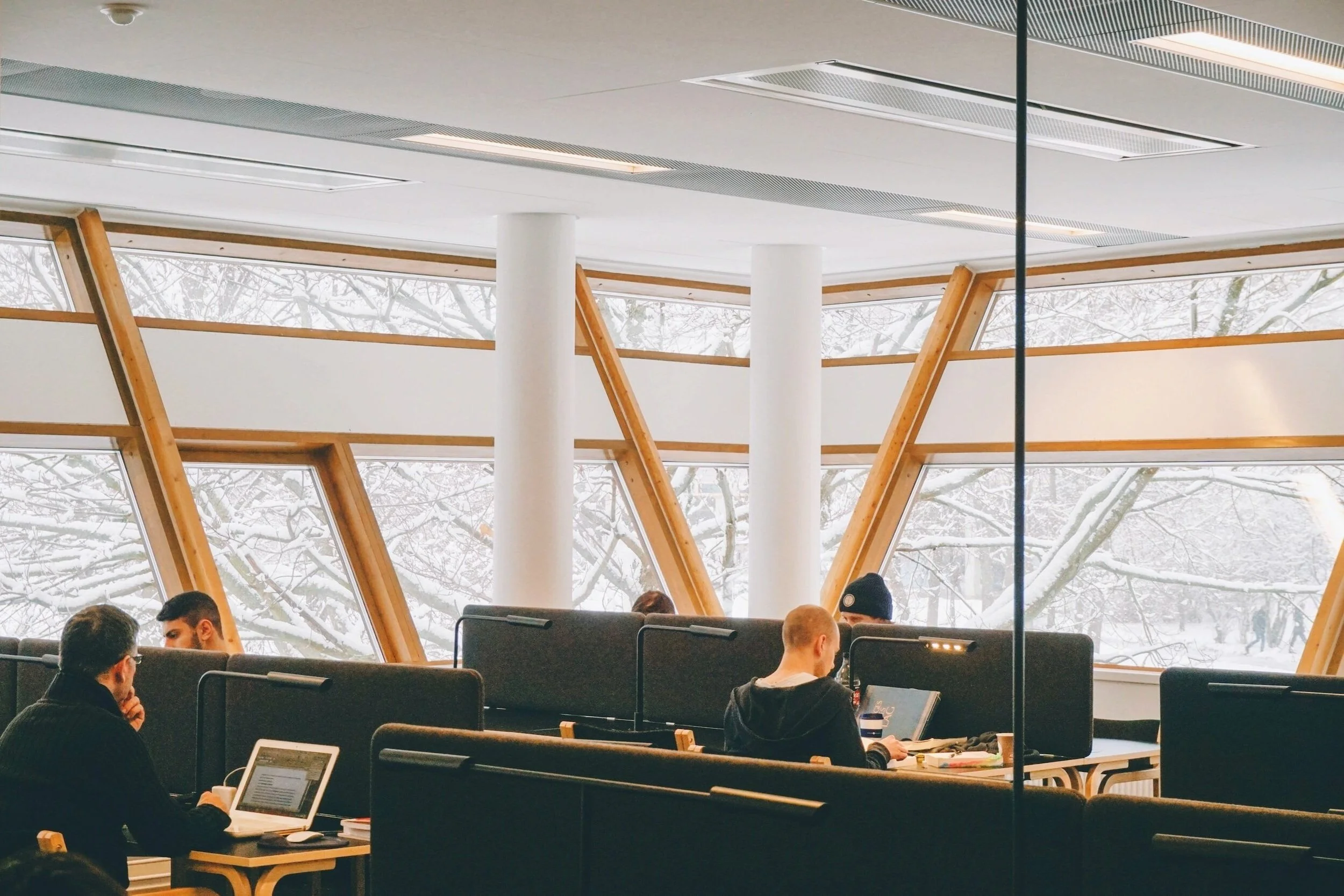
Design and setting up a workspace is one of the most essential aspects in making sure that employees are at their peak productivity and focus. When we plan and strategize how we place workstations, letting in natural light and using ergonomic furniture for employees to use, we are creating an environment where they can work. Think, an office that minimizes distractions, a space for the employees to properly work around their tasks and good acoustics, making sure everything can run smoothly and efficiently improving the overall work environment.
2) Mental and Emotional Well-Being
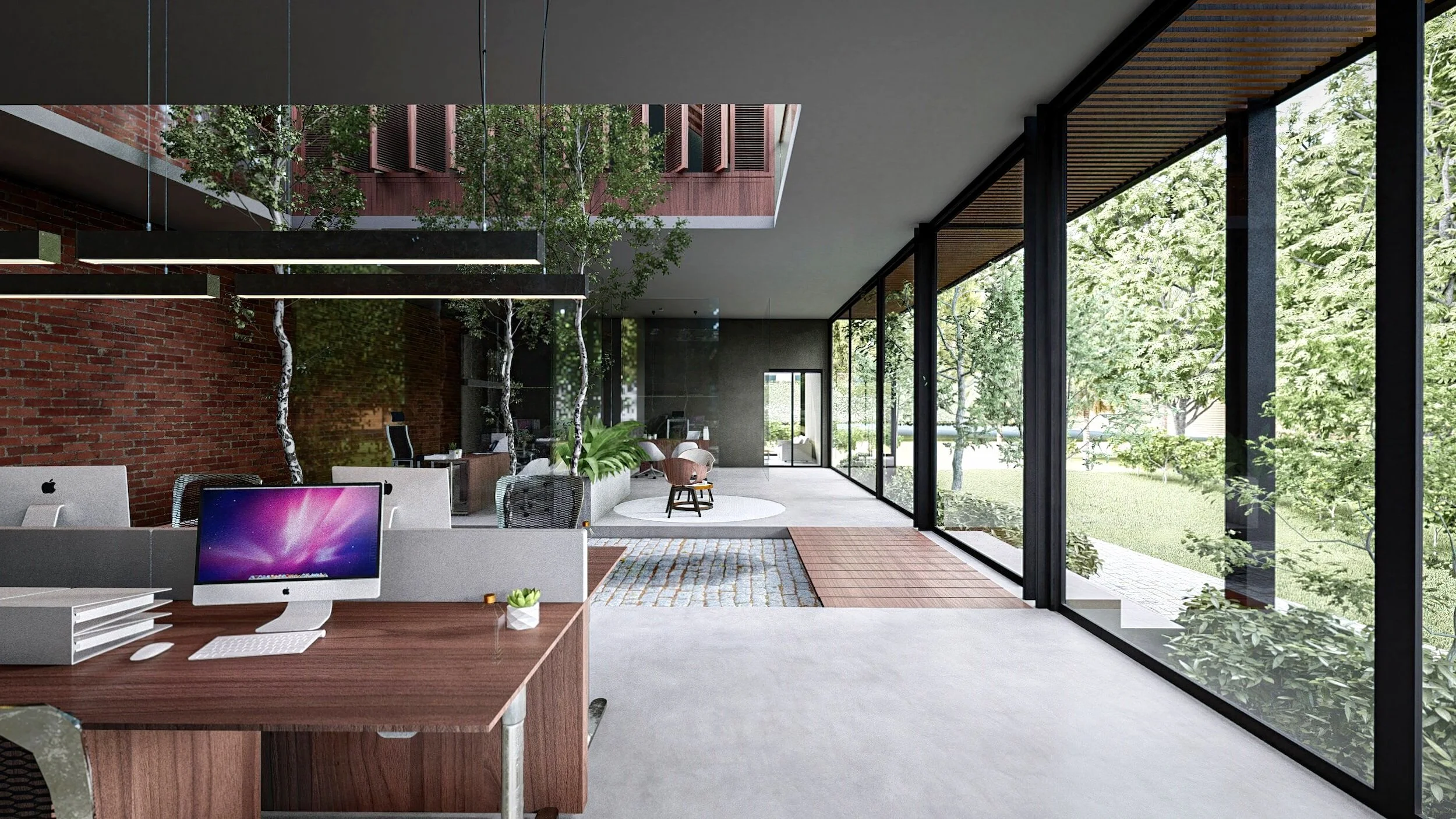
Interior design plays a crucial role in the psychological well-being of the people in those spaces. Basic components like colors, textures, and the room’s general design may have a big impact on how people feel and act in that area. Using biophilic design components, including indoor plants and natural materials, may foster a sense of connection to the outdoors and a tranquil environment. Establishing areas in the workplace for interaction, cooperation, and leisure may also improve mental health, lower stress levels, and strengthen a feeling of community among staff members.
3) Health and Comfort
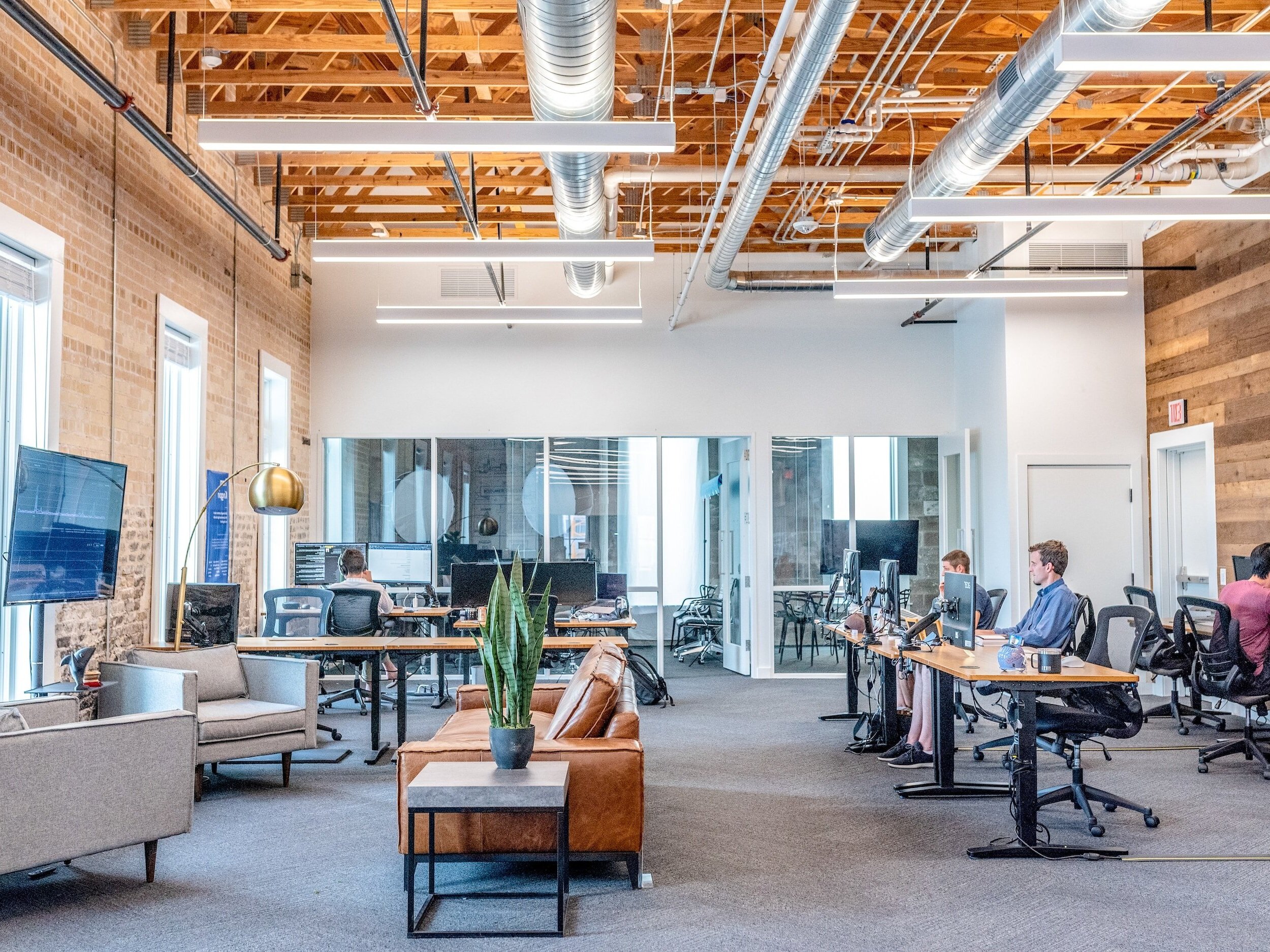
Employee well-being is closely tied to their physical health and comfort. Proper ventilation, temperature control, and access to natural light contribute to a healthy and comfortable workplace. Ergonomically designed furniture and adjustable workstations support good posture and reduce the risk of musculoskeletal issues. A well-ventilated and comfortable workspace not only enhances physical health but also contributes to a positive work culture, where employees feel valued and supported in their day-to-day activities.
In crafting spaces that prioritize productivity, mental and emotional well-being, and overall health and comfort, interior designers wield the power to create environments that empower and inspire individuals. Through our commitment to a holistic approach to commercial interior design, we seek not only to enhance the aesthetic appeal of spaces but also to contribute meaningfully to the well-being and success of those who inhabit them.