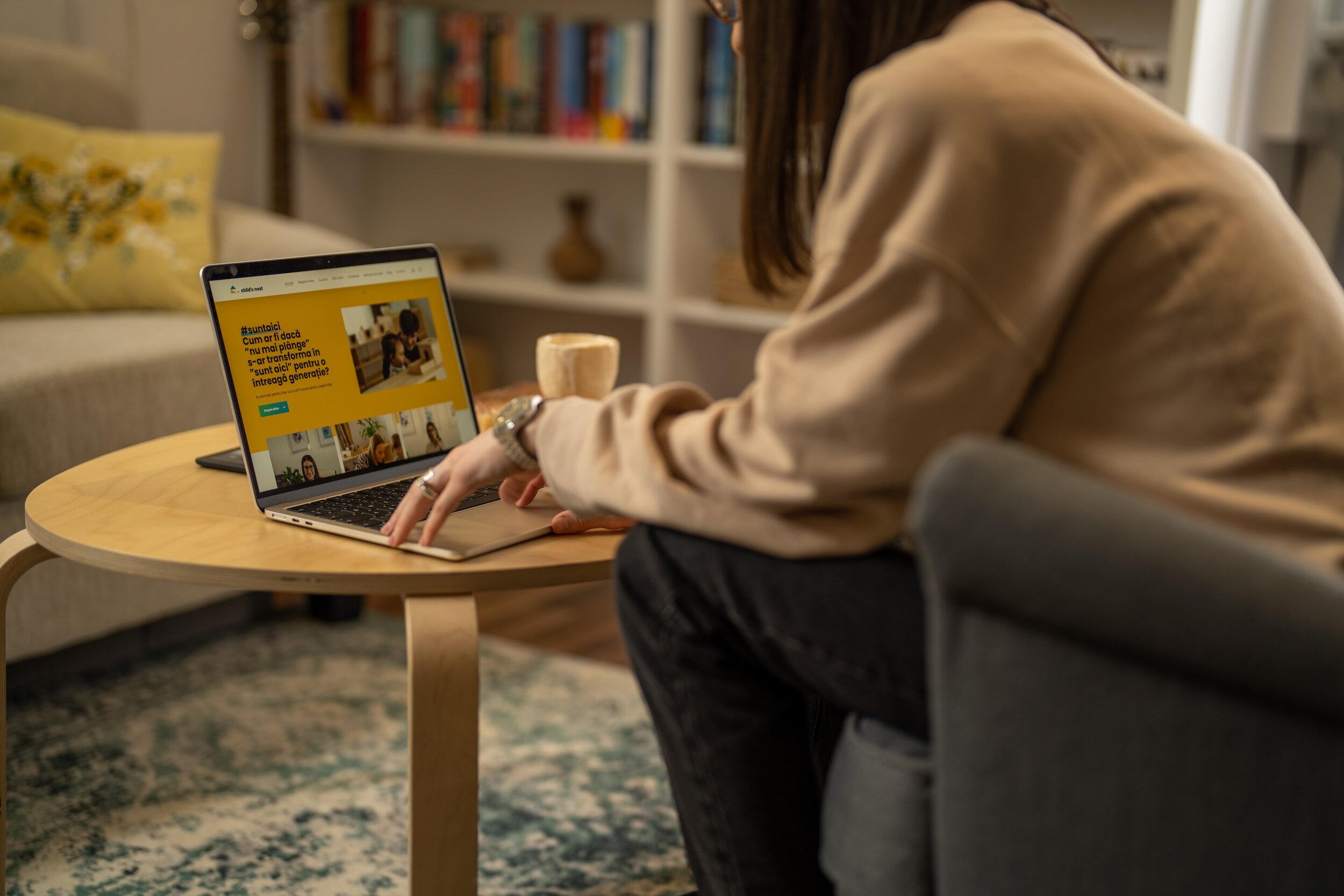
In a world where many can work from anywhere, our environments now need to play a variety of new functions. It’s a change that has us reconsidering the planning of our residential communities as they need to adjust to fit our new, post-pandemic life. These changes aim to create environments that effortlessly combine business and social functions at the comfort of being close to home.
Let’s explore the fascinating ways in which our residential communities are changing to help us reach the work-life balance.
1) The Rise of Inclusive Amenities
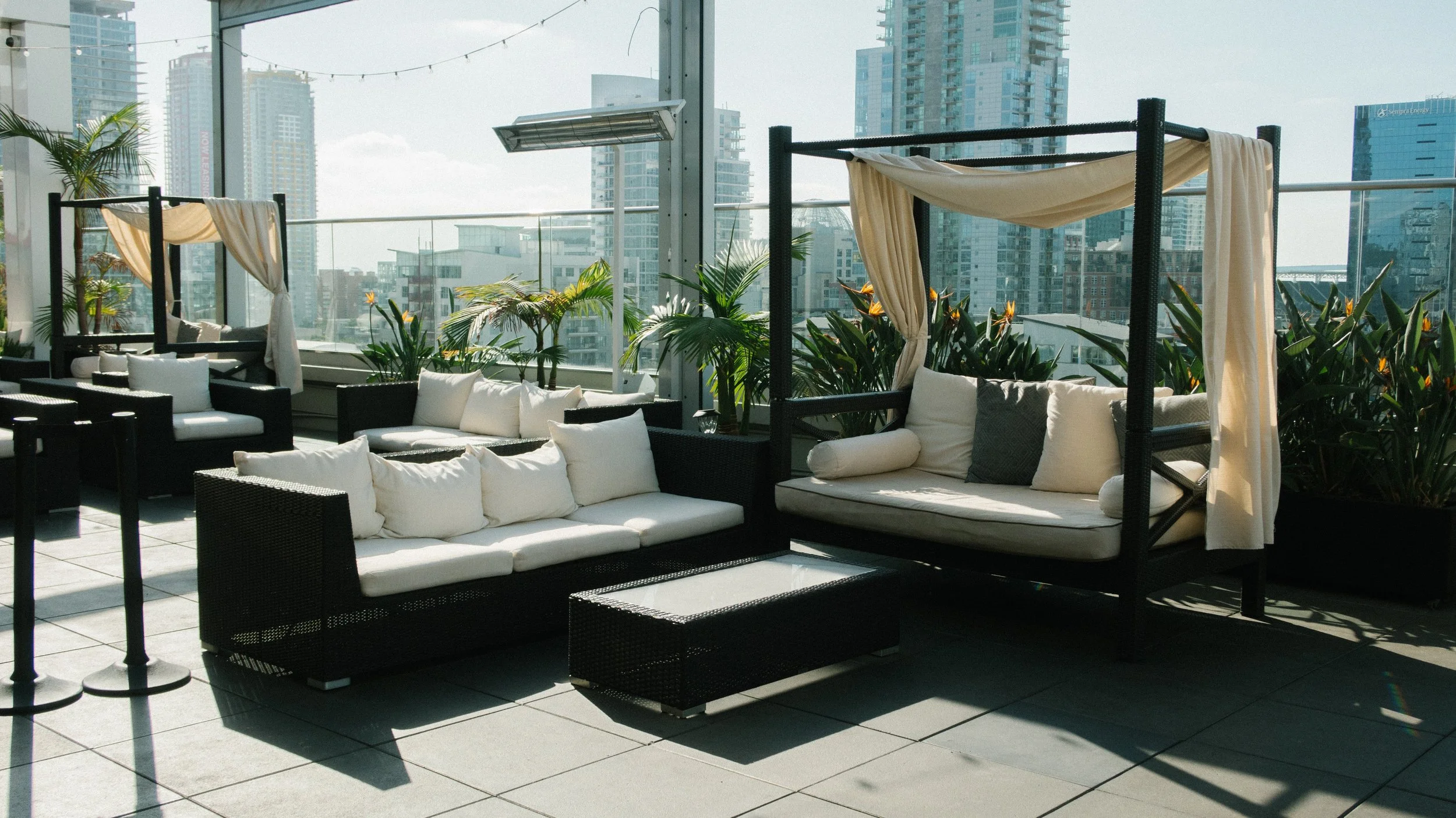
Modern-day residential buildings have evolved into full-service communities. Building owners have begun developing more than apartments to attract and support residents with various lifestyles. Developers are investing into adding restaurants, convenient shopping, pet-friendly parks, rooftop lounges, and resident only areas such as fitness centers and coworking spaces which resulted in more lease renewals and new tenants intrigued by building’s accommodations.
2) Cozy Workspaces and Tech-Ready Environments
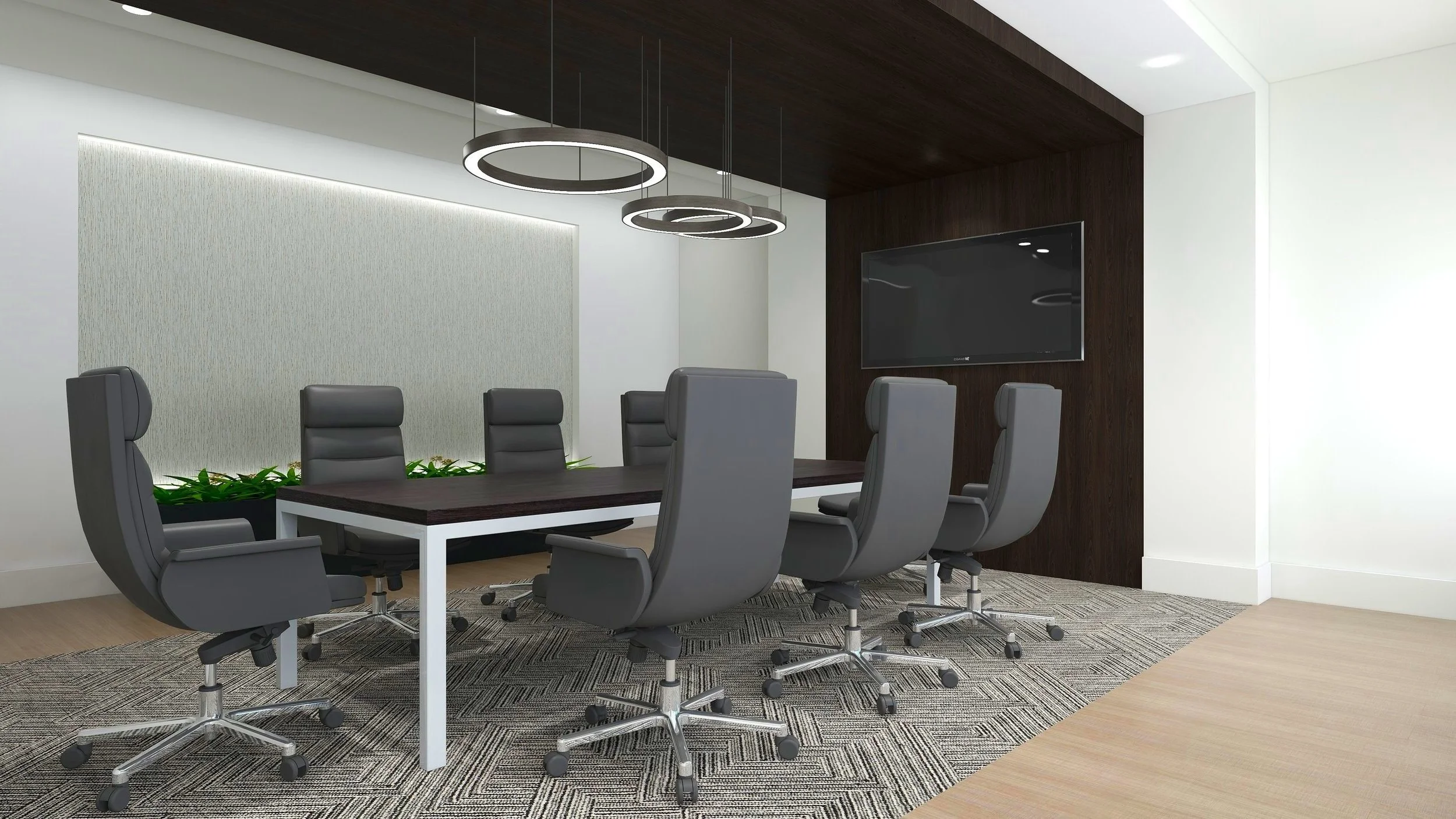
While work from home (WFH) trend is still on an incline, residential apartment buildings upgrade to accommodate WFH tenants. Starting with adding a high-speed secure internet connection through providing professional and fully equipped business centers and co-working spaces. Such accommodation eliminates a need of space and investment from the tenants’ side, allowing them to use their private living spaces to relax.

3) Outdoor Retreats
Outdoor spaces are also taking on a new significance. Residential communities are incorporating beautifully landscaped outdoor areas that serve as retreats for residents seeking a break from work. Think tranquil courtyards, serene meditation gardens, and outdoor lounges where you can unwind and connect with neighbors. Pets do not go unnoticed. Many residential buildings are pet friendly and incorporate dog parks making busy lives more convenient than ever.
The slow transformation of our communities to accommodate remote work is both a scary but exciting journey. The modern world’s constant change, in both work and life, makes these innovative design solutions desirable and purposeful. They are about creating spaces that work for you, all in one place. A testament to the constantly evolving discipline of interior design, where practicality and style coexist to create a space where you can flourish both personally and professionally.