

Furniture plays a vital role in interior design, influencing both function and style in any space. Different environments—residential, commercial, and healthcare—have unique needs that shape the design, materials, and pricing of the furniture used. In this article, we will explore what sets residential, commercial, and healthcare furniture apart.
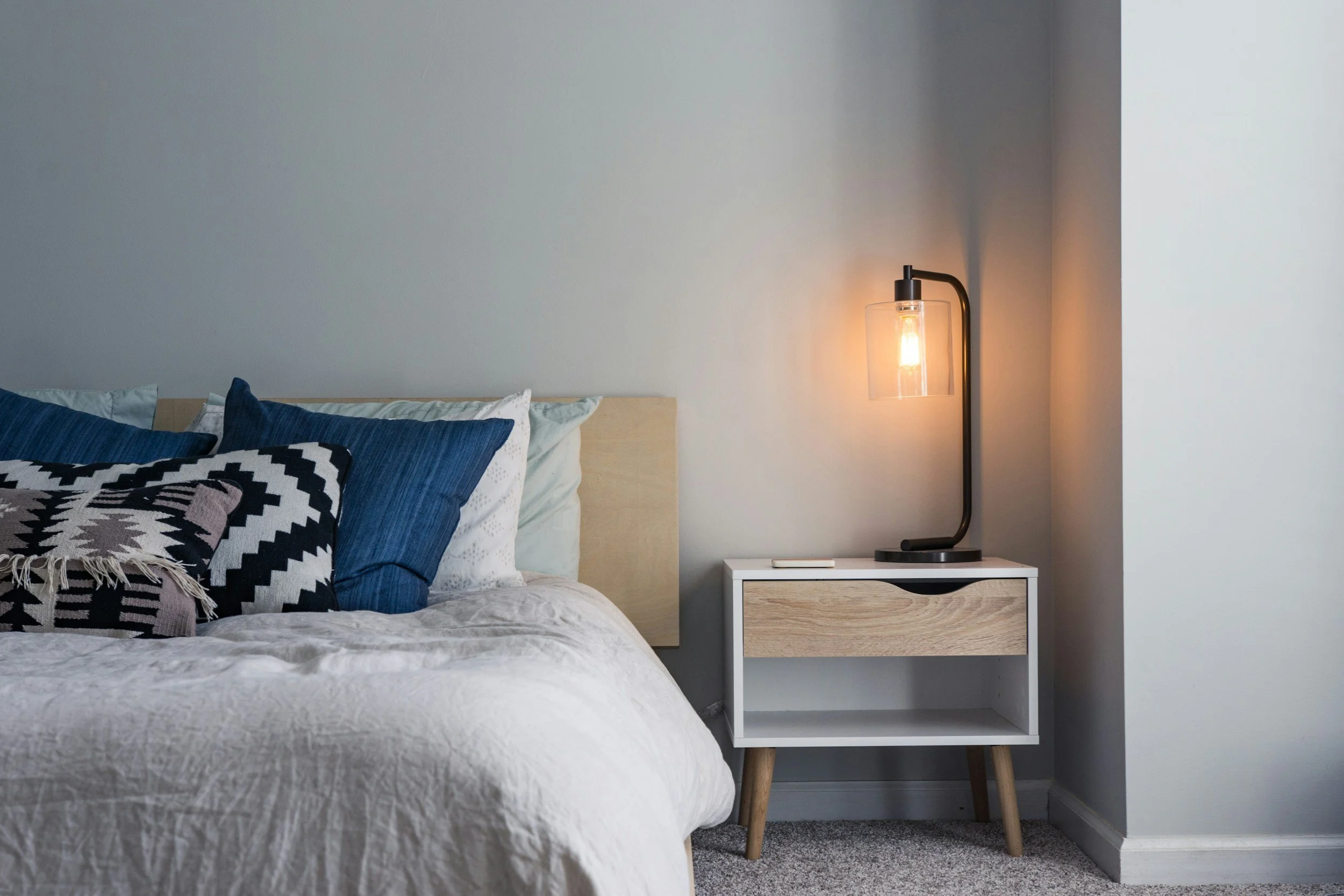
1) Residential Furniture: Balancing Style, Comfort, and Cost
Residential furniture is designed for home use, where comfort and appearance are essential. These pieces are often made from materials like MDF, particleboard, and soft fabrics, focusing on style rather than heavy-duty durability. Because of this, residential furniture usually has a shorter lifespan, around five years. This lower durability, along with fewer regulations, makes residential furniture much more affordable compared to commercial and healthcare options.
However, it’s important to note that high-quality residential furniture, like solid hardwood, genuine leather, and custom finishes, can sometimes cost as much as commercial-grade furniture.

2) Commercial Furniture: Built for Durability and Safety
In contrast, furniture meant for commercial spaces—such as offices, hotels, and retail shops—must withstand heavy use in busy environments. It is built with sturdier materials like metal, hardwood, steel, and heavy-duty upholstery to ensure it stays functional and attractive over time.
Commercial furniture also goes through rigorous testing by independent organizations like ANSI/BIFMA, ASTM, and UL to meet strict safety and durability standards. These tests check for harmful chemicals (like VOCs and PFAS), flammability, environmental impact, and more. Although these standards increase production costs, they ensure that commercial furniture is reliable and long-lasting. So, while it may be pricier, you know it is designed to be more durable and safer, making it ideal for high-traffic areas.
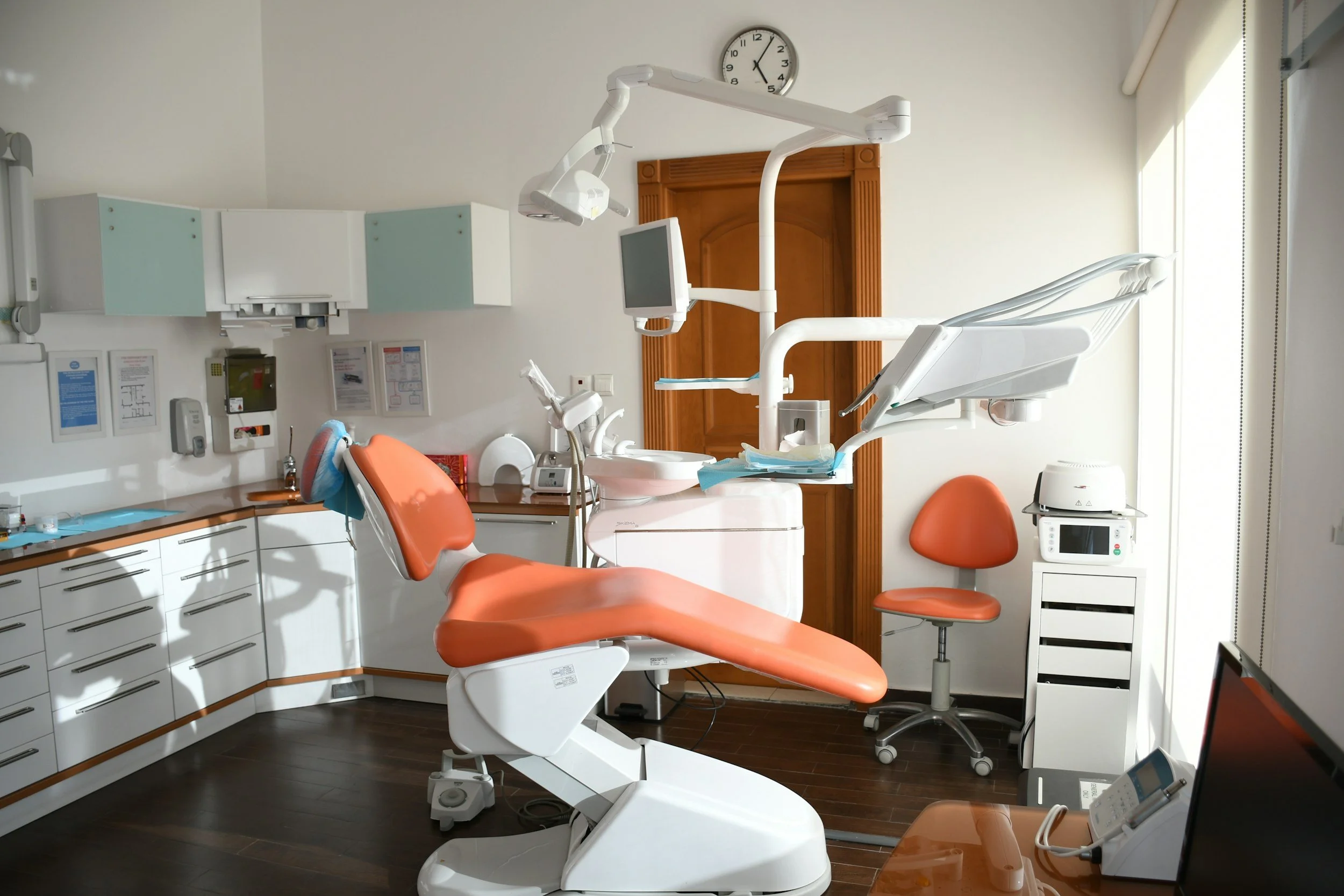
3) Healthcare Furniture: Specialized for Infection Prevention and Durability
Healthcare furniture is a class of its own, designed for clinics, hospitals, and long-term care facilities where hygiene, durability, and patient comfort are critical.
Common features in healthcare furniture include antimicrobial materials, easy-to-clean surfaces, and strong construction to meet the needs of both patients and healthcare providers. Even more specialized features can also include higher weight capacities and even modular constructions that allows it to be reupholstered or replaced in sections, extending the life of each item.
Given these higher specifications, the advanced technology involved in the manufacturing processes, and strict health regulations to adhere to, it is understandable why healthcare furniture has such an expensive price tag.
Smart Furniture Investments for Every Space
Whether it’s affordable, stylish pieces for the home or durable, safety-focused furniture for commercial and healthcare settings, the cost differences reflect the specific requirements of each environment:
-
Residential: Combines style, comfort, and affordability for everyday use. Usually mass-produced and hence more cost-effective.
-
Commercial: Prioritizes durability and functionality for high-traffic areas, with flexible designs that adapt to business needs – and hence usually more costly due to materials utilized.
-
Healthcare: Emphasizes safety, hygiene, and comfort, with specialized materials and stricter regulatory specifications that drive up the cost.
With smart furniture investments, each piece can be tailored to its intended environment, ensuring functionality and value for its intended purpose.
For more expert insights into interior design, visit the M4 Interiors blog for helpful tips, design ideas, and solutions to enhance your spaces, whether residential, commercial, or healthcare!