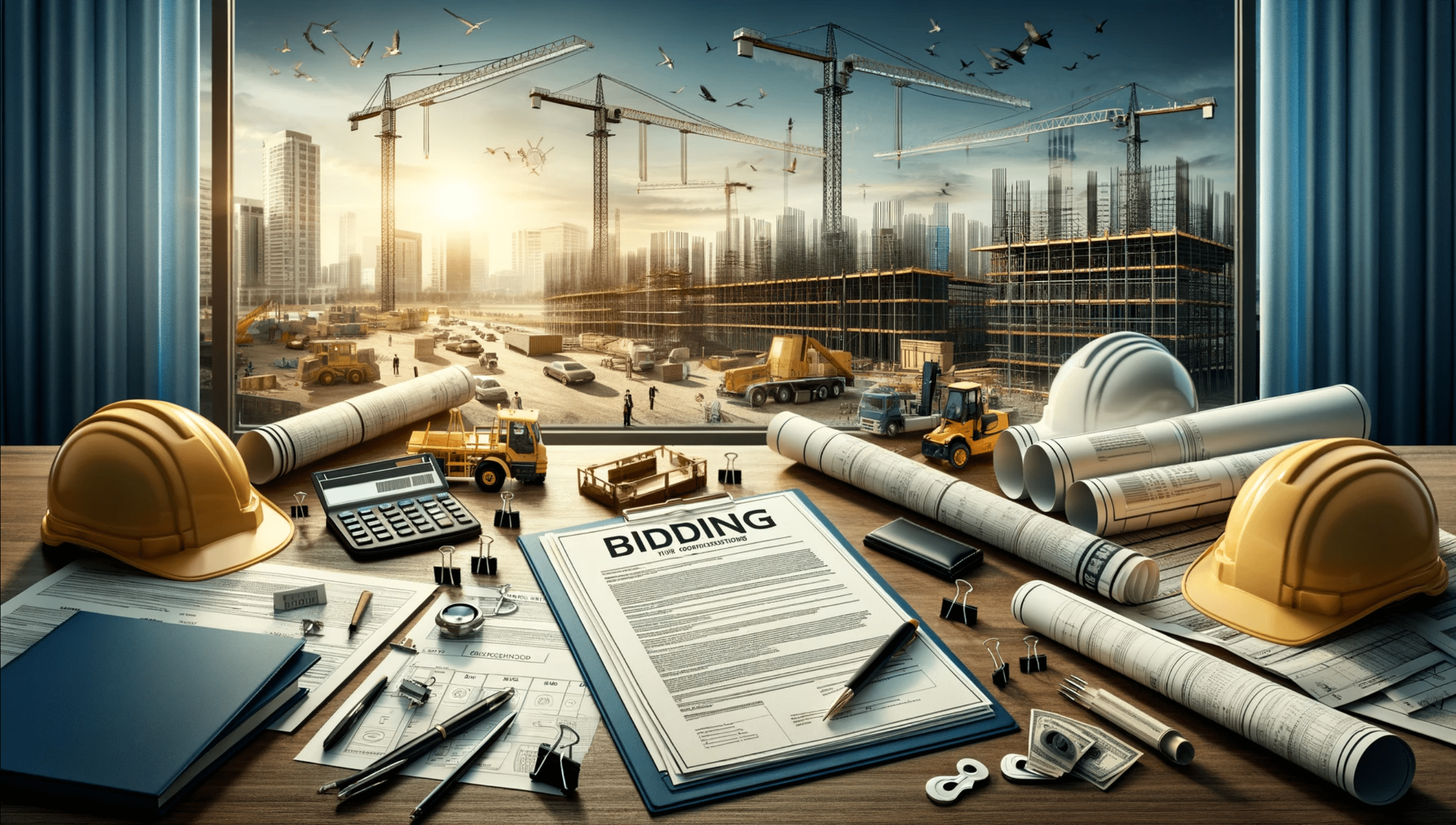

Interior design is a delicate form of art that requires time and commitment into making it. As UXPin, a digital product designer, (2023) said, “Design planning promotes consistency, scalability, and efficiency throughout the design process, resulting in a higher-quality end product and a more satisfying user experience.” Similarly in interior design, planning allows a less stressful process, and provides confidence with the final product and design.
Here are some reasons why planning is crucial in interior design;
1) Client Communication
Defining goals sets expectations and creates a clear roadmap that helps to stay focused on achieving those goals. Effective planning ahead allows greater efficiency and productivity for the entire design process. The planning phase informs clients and allows designers to carefully address and communicate every design aspect considered from the start.


2) Risk Mitigation and Resource
Identifying potential risks and challenges ahead of time allows the preparation of proactive measures to avoid them, whether it be technical constraints, budget limitations or timeline issues, making sure that these are addressed as early as possible can prevent costly setbacks later. Allocation of resources, including time, budget and manpower is greatly affected by planning well, the project can proceed smoothly without any unnecessary delays if the resources are planned out properly.
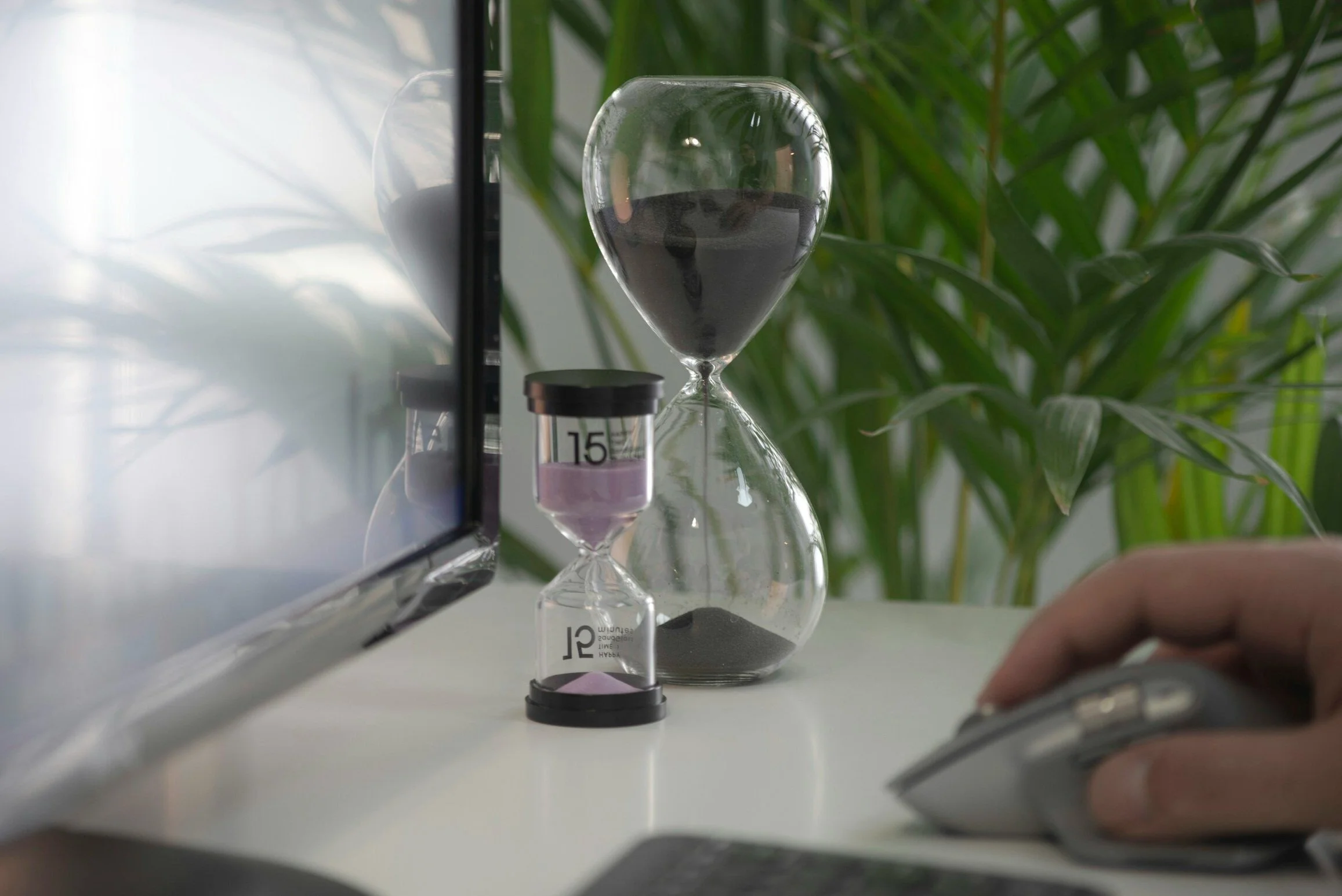
3) Time Management and Details
At the end of design development, a carefully crafted master plan provides a more detailed direction to contractors and installers. These well drafted design documents (aka project manuals) empower clients and contractors to execute the project with confidence, save time and money during the construction phase, by eliminating guesswork and minimizing room for mistakes during project execution.
Planning allows the client to have a better experience and makes sure that the designer can address all client needs expressed for the project. It sets a foundation and positively impacts the development of the final product. By clarifying objectives, managing resources, mitigating risks, and effectively fostering collaboration and communication, planning ensures that the project is efficient, and client centered.