
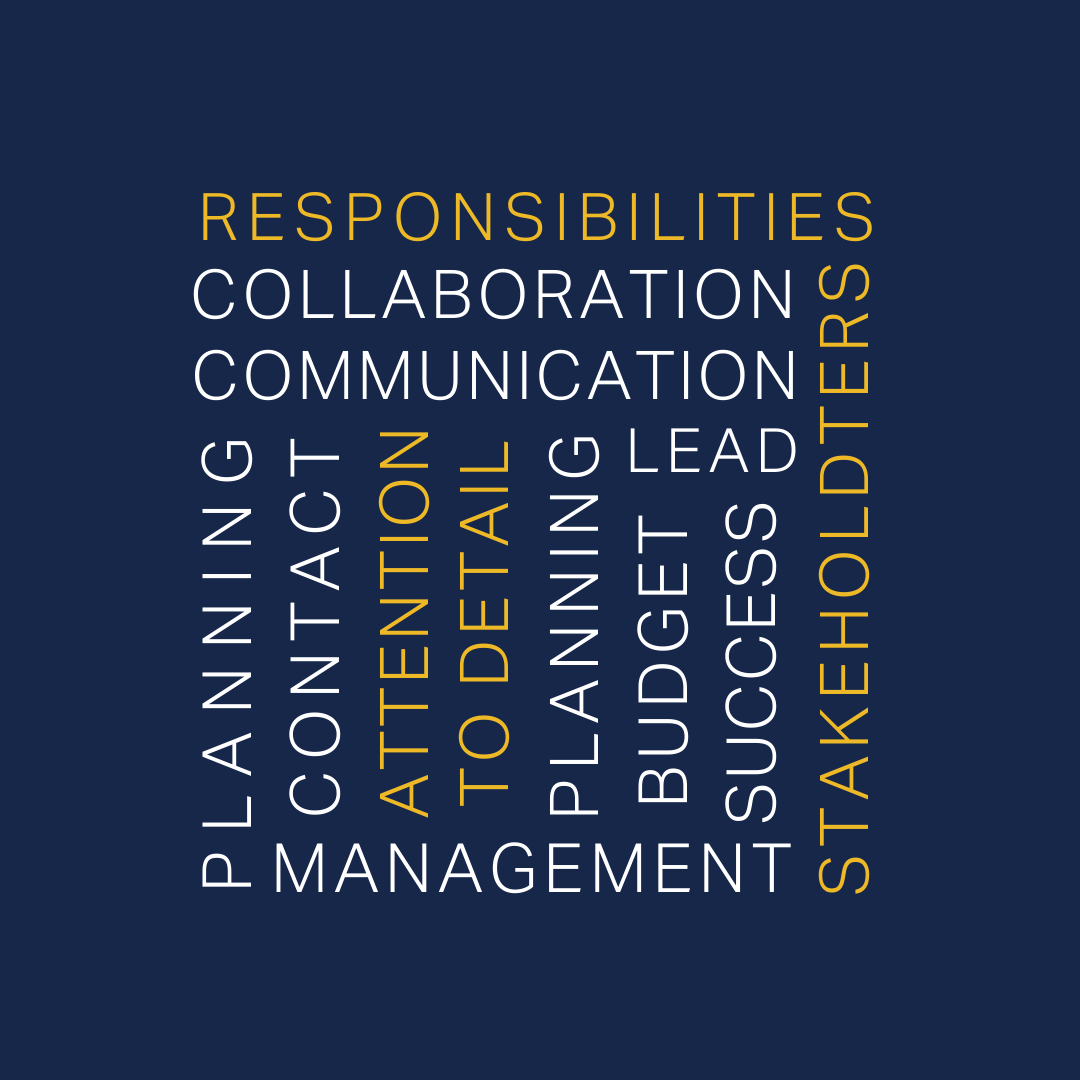
Creating impactful interiors is a complex process that involves multiple stakeholders, including owners, user groups, architects, engineers, contractors, interior designers, graphic designers, fabricators, and installers. Working as a team brings diverse perspectives and innovative solutions, but it also presents challenges that require careful management and regular, transparent communication with everyone involved. To ensure streamlined collaboration, it is essential to clearly outline the scope of work, responsibilities, and expectations at the very beginning. This comprehensive approach to interiors is what we call a holistic approach.
1) Collaboration & Transparency
Ensuring clear instructions, scope of work, and expectations for each collaborator in the project eliminates overlapping responsibilities and prevents any tasks from being overlooked. Open communication about costs and prices fosters a clear understanding of the project’s budget, aiding in the selection of appropriate materials and effective time management to bring the project to life.

2) Communication Strategies
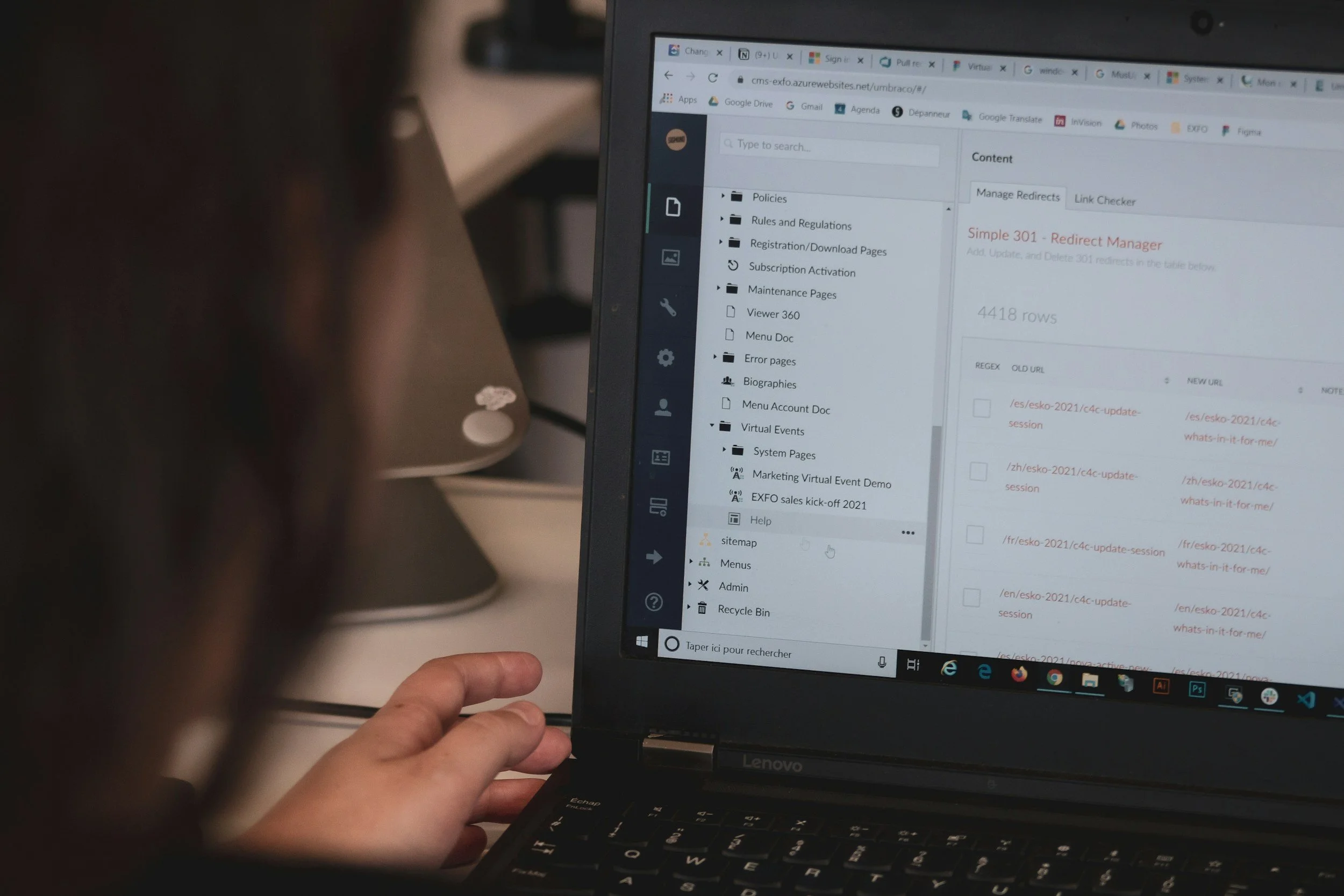
Keeping everyone in the loop is crucial. Maintaining constant contact and providing updates, along with sharing meeting notes, ensures that everyone stays informed. Utilizing a centralized location for project documents, such as Custom Client Portal or Procore, allows easy access to necessary information at any time. Implementing visual communication makes information easier and quicker to comprehend. Viewing design options, product selections, and 3D renderings allows clients and installers to visualize the end goal, eliminating guesswork in the development process.

3) Project Management
Creating interiors requires meticulous planning and attention to detail to be successful, and good things often take time. It is human nature to desire quick results, sometimes dismissing the necessary steps to get there. Interior planning firms are extremely familiar and well-versed with the process, guiding clients from concept to completion, and everything in between.
Successful interior design projects rely on meticulous planning, efficient communication, and streamlined workflows. From concept to completion, clear instructions and open communication ensure that all stakeholders are informed and aligned, minimizing errors and maximizing efficiency. Utilizing centralized project documentation platforms facilitates easy access to crucial information. This holistic approach not only guides the team through every step of the process but also empowers them to envision and achieve their desired outcomes with confidence.