
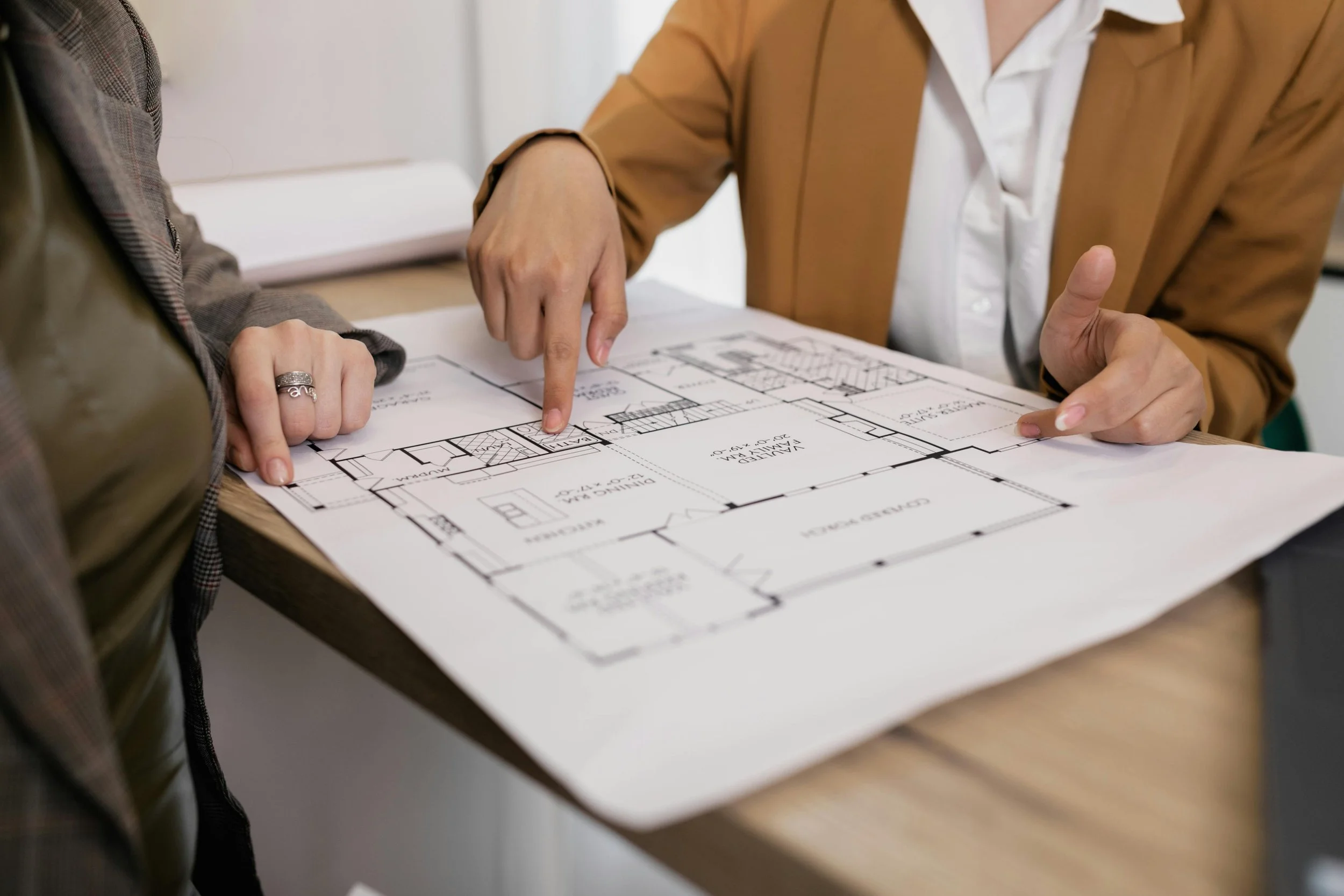
Well-planned spaces that are easy to navigate directly reflect the quality of a pre-planned layout. By allowing spaces to be self-explanatory, occupants can seamlessly interact with their environment, enhancing the overall user experience and further emphasizing the effectiveness of thoughtful design implementation. This sets the standard, especially in commercial and business-oriented settings, where business and usage goals set for the space are met by evoking desired behaviors.
Now, let’s explore some examples of how well-planned spaces affect our lives (unconsciously).
1) Workspaces
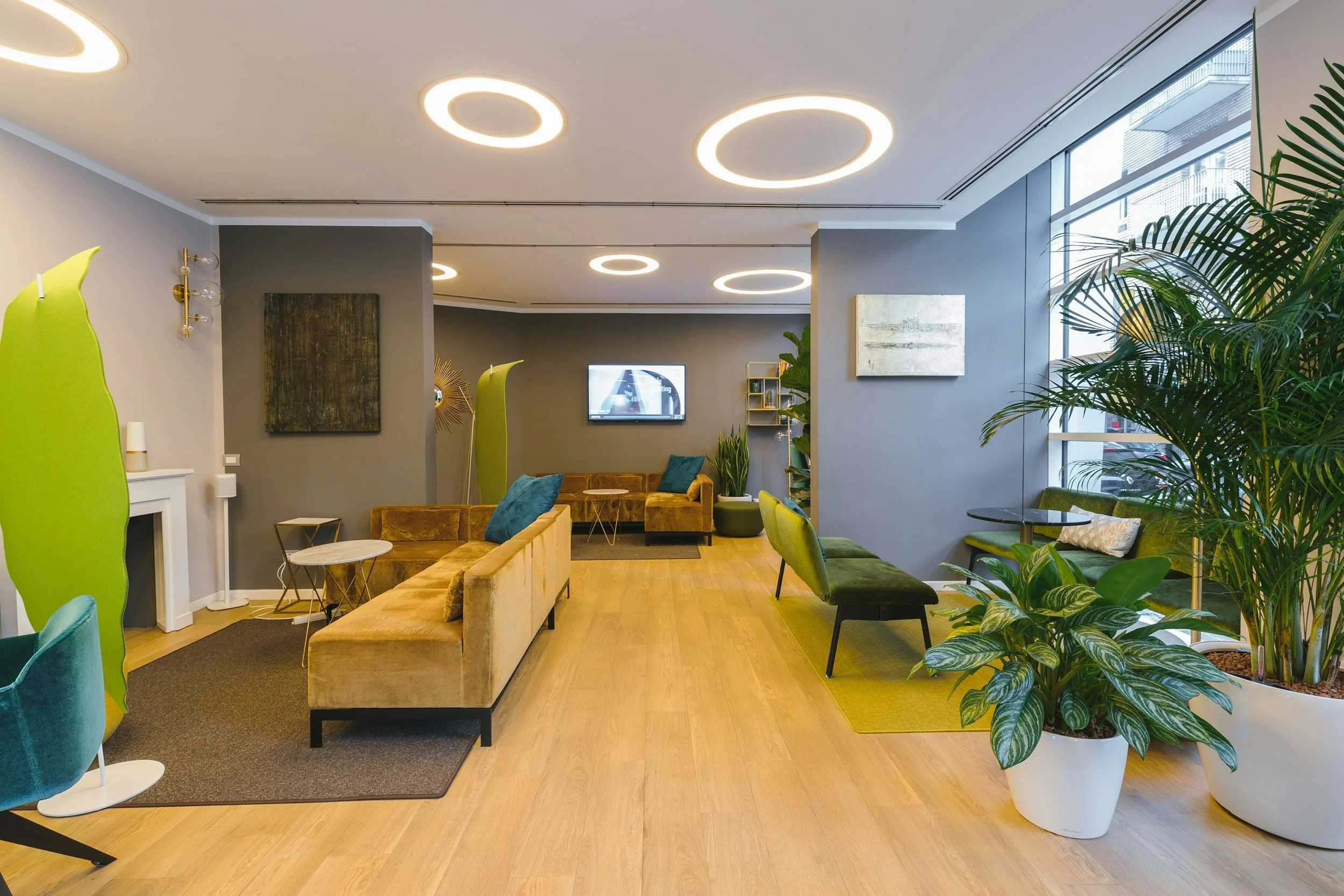
Some offices utilize areas that encourage employee engagement, boost morale, and increase productivity, transforming into havens for fostering a strong workplace culture. Open floor plans stimulate creativity without requiring conscious effort, and the arrangement of furniture optimizes both comfort and efficiency while eliminating obstructions to work completion. Access to natural light elevates employees’ moods and fosters an excellent work climate, even if they may not consciously recognize it.
2) Healthcare Facilities
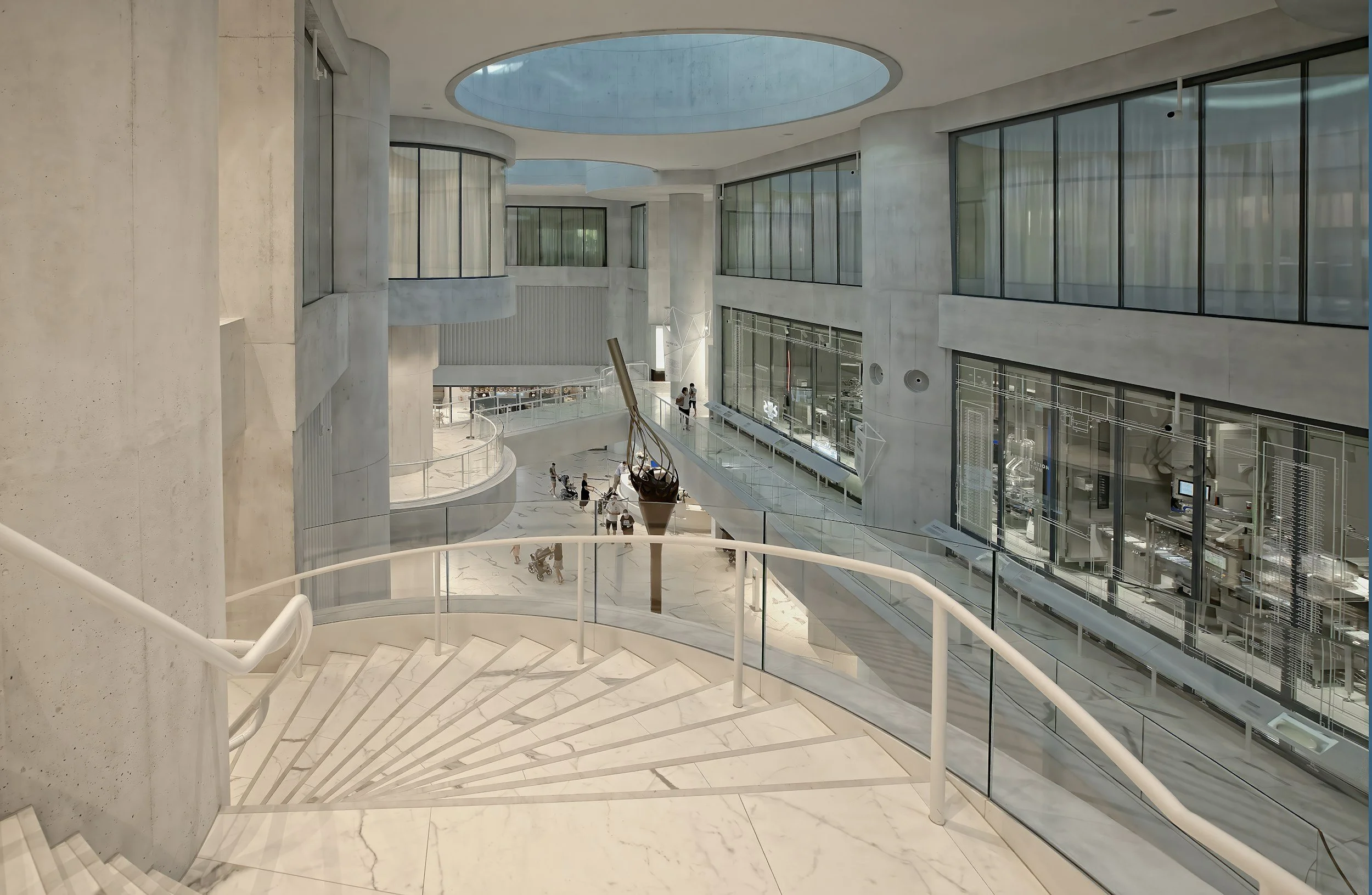
Healing healthcare environments facilitate benefits for both patients and staff alike. Well-designed spaces increase staff productivity and the quality of care, making patients feel safe and at ease. Anxiety and confusion of all users can be eased by implementing innovative operating procedures, clear signage and navigation systems, and human-centered ergonomic designs of furniture and equipment. Additionally, incorporating calming colors, natural light, and antimicrobial finishes can contribute to creating spaces that are safe and promote a healing atmosphere within each room. A patient-centered approach enhances the experience for all by fostering an environment that supports successful outcomes.
3) Multi-residential Buildings
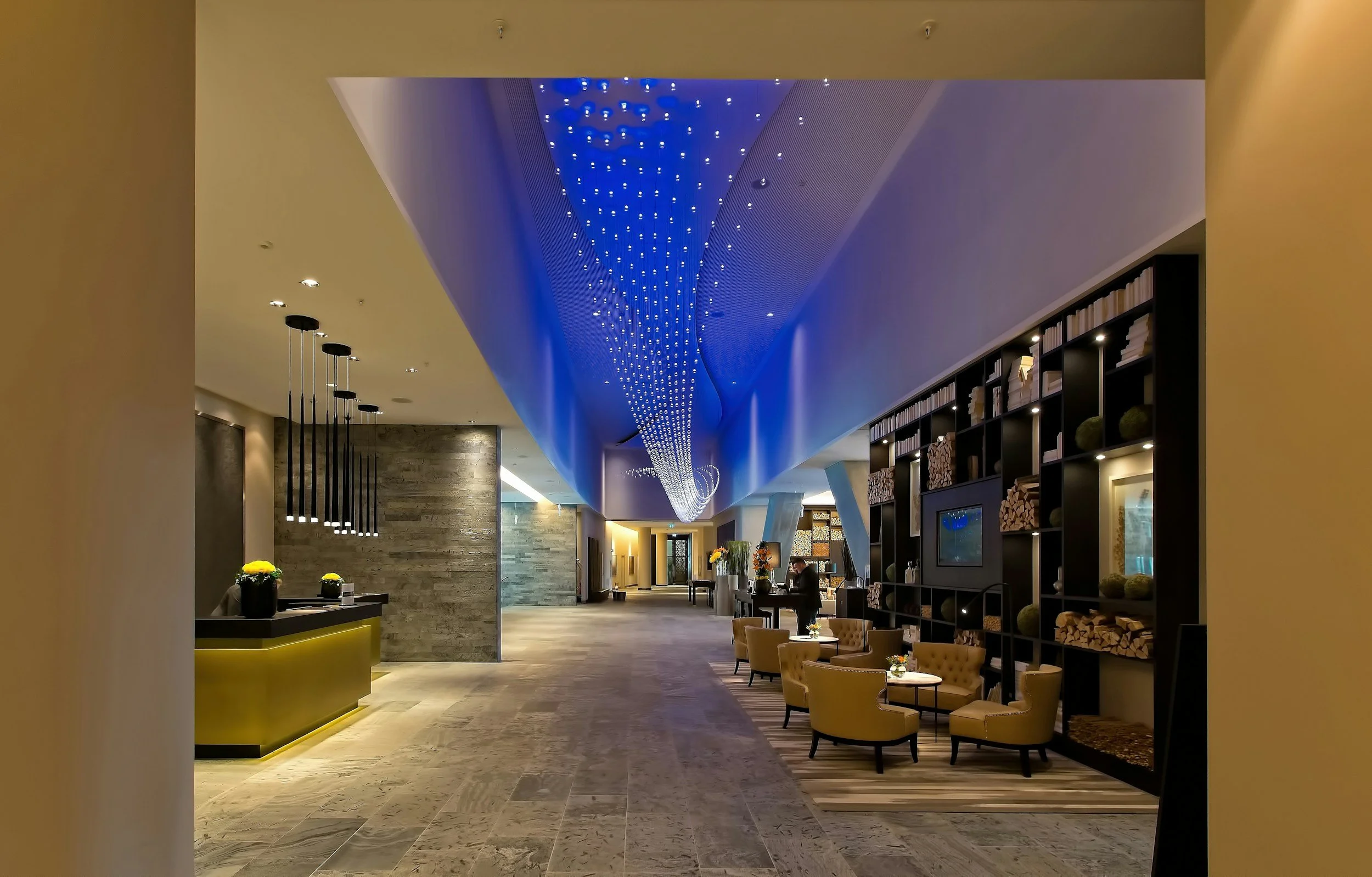
The inviting design of the entrance and lobby significantly impacts the first impression of the overall building on visitors and potential new residents. Inviting, upscale public areas and amenities in multi-residential buildings subconsciously encourage visitors and residents to act in a specific way—respectfully. Design features often support easy wayfinding, convenience, and foster a sense of community. Effective traffic flow, clear signage, and practical amenities enhance the quality of life and encourage the social interaction we all crave.
Interior designers play an important role in ensuring that spaces are not only aesthetically pleasing but also facilitate a positive experience when unconsciously interacting with the space. By incorporating subtle details, designers have a significant impact on people, influencing their moods and attitudes in the moment and possibly throughout the entire day, if not longer.